
 SCIENTIFICALLY TESTED & COMPLETELY SAFE. SUITABLE FOR VEGETARIANS. NOT TESTED ON ANIMALS/NO ANIMAL INGREDIENTS. NO KNOWN SIDE EFFECTS. COMPLETELY SAFE. NON-TOXIC. FREE FROM HEAVY METALS

 The Food and Drug Administration has not evaluated these Statements. This product is classified as an “Herbal Food Supplement” and is not designed to diagnose, treat, cure, or prevent any disease. If you have any underlying health conditions, please consult a healthcare professional before using this product
 🌿 What is Castor Seeds (Ricinus communis)?
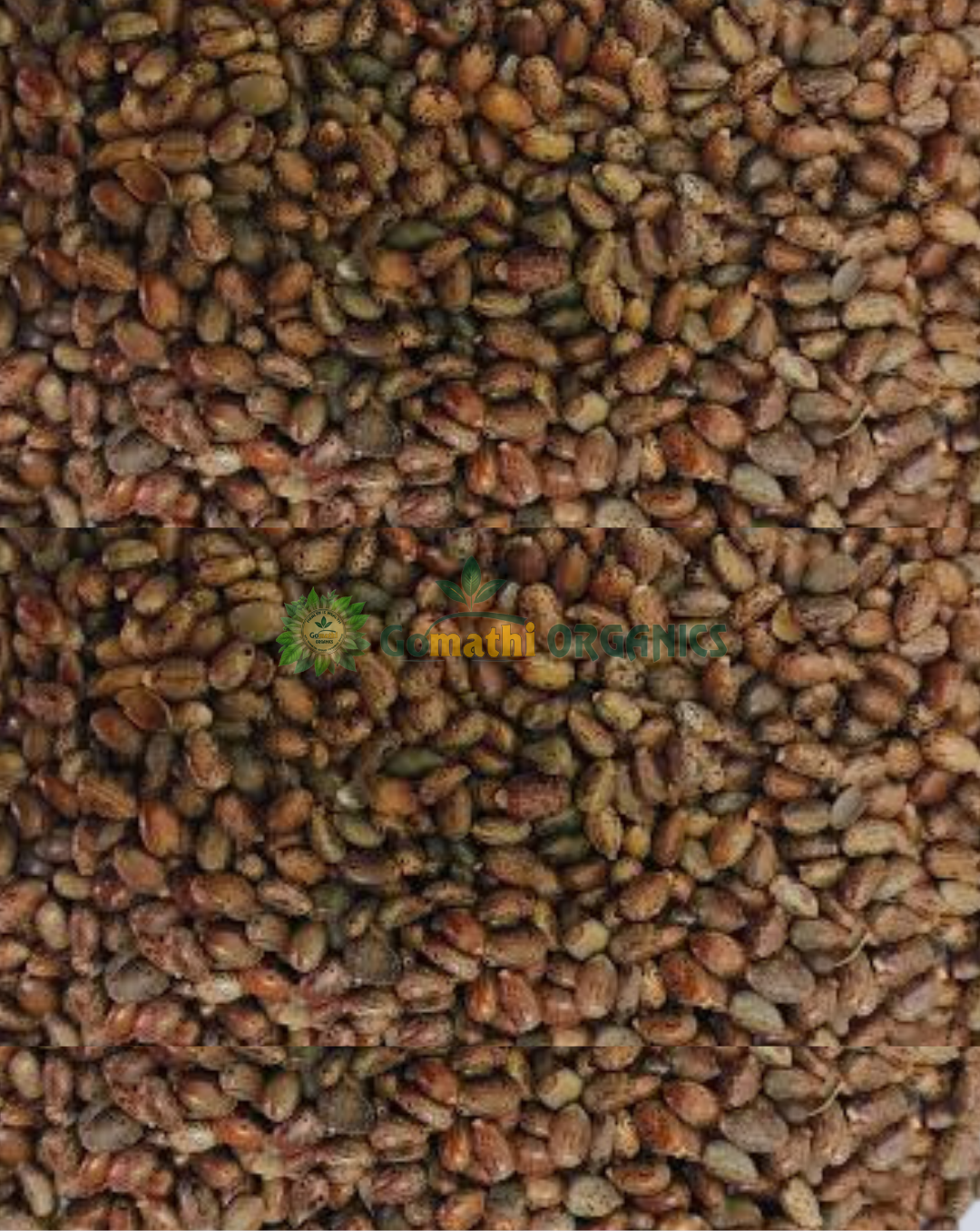
Castor Seeds are the seeds of the Castor plant (Ricinus communis), commonly known as Amanakku Vithai in Tamil. The plant has been widely used in traditional Siddha and Ayurvedic medicine for centuries. While the raw seeds are toxic and should never be consumed directly, they are highly valued for producing Castor Oil through specialized processing methods. Castor Oil has traditionally been used to support skin care, hair care, digestive wellness, joint comfort, and overall well-being. The seeds are rich in naturally occurring fatty acids, proteins, antioxidants, and beneficial plant compounds that contribute to their traditional importance.
Note: Raw Castor Seeds contain ricin, a highly toxic natural protein. They should only be used after proper industrial or medicinal processing by qualified manufacturers and should never be eaten raw.
🌱 Description of Castor Plant
Botanical Name: Ricinus communis
Family: Euphorbiaceae (Spurge Family)
Common Names: Castor Plant, Castor Bean Plant, Palma Christi
Plant Type: Fast-growing perennial shrub or small tree
Height: Typically grows between 2–10 meters (6–33 feet), depending on climate and variety.
Leaves: Large, glossy, palm-shaped leaves with 5–12 pointed lobes.
Flowers: Small greenish-yellow flowers arranged in clusters.
Fruits: Spiny green capsules that turn brown when mature.
Seeds: Smooth, shiny, oval-shaped seeds with distinctive brown, black, and grey marbled patterns. These seeds are mainly processed for extracting castor oil.
🌍 Habitat of Castor Plant
The Castor plant is believed to have originated in Africa but is now widely cultivated across tropical and subtropical regions, including:
- India
- Sri Lanka
- Nepal
- Bangladesh
- Pakistan
- China
- Brazil
- Africa
- Southeast Asia
It thrives in warm climates, well-drained soils, and sunny environments. Castor is commonly grown as an agricultural crop for its valuable oil-rich seeds.
🌟 Traditional Uses and Wellness Benefits of Processed Castor Products
Important: The following traditional benefits relate to properly processed Castor Oil and professionally prepared medicinal products, not raw Castor Seeds.
Digestive Wellness
Traditionally used in Ayurveda as a natural cleansing oil that supports occasional bowel regularity when used under professional guidance.
Skin Care
Castor Oil is widely used to moisturize dry skin and support healthy-looking skin.
Hair Care
Traditionally applied to nourish the scalp, condition hair, and promote healthy hair appearance.
Joint and Muscle Comfort
Used in traditional massage practices to support joint flexibility and muscle relaxation.
Antioxidant Support
Contains naturally occurring antioxidants that help protect skin from environmental stress.
General Wellness
Processed Castor products have long been included in traditional wellness routines for external care and overall health support.
🧪 Active Compounds
Properly processed Castor products contain several naturally occurring compounds, including:
Ricinoleic Acid
The primary fatty acid in Castor Oil, traditionally valued for skin conditioning and moisturizing properties.
Oleic Acid
Supports skin hydration and nourishment.
Linoleic Acid
Helps maintain healthy skin and scalp.
Vitamin E
A natural antioxidant that supports skin protection.
Natural Fatty Acids
Help moisturize and condition the skin and hair.
Plant Phytochemicals
Contribute to the traditional wellness value of Castor Oil.
🍵 Usage and Dosage
External Use (Most Common)
Skin Care
- Apply a small amount of Castor Oil to clean skin.
- Massage gently until absorbed.
Hair Care
- Massage Castor Oil into the scalp.
- Leave for 30–60 minutes or overnight.
- Wash thoroughly with a mild shampoo.
Massage
- Warm a small quantity of Castor Oil.
- Massage onto joints or muscles as traditionally practiced.
Internal Use
Internal use of Castor Oil should only be under the guidance of a qualified healthcare professional. Raw Castor Seeds should never be consumed.
⚠️ Precautions
Do Not Eat Raw Seeds
Raw Castor Seeds contain ricin, a highly toxic substance that can cause severe poisoning.
Keep Away from Children
Store seeds and Castor Oil safely out of reach of children and pets.
Pregnancy
Consult a healthcare professional before using Castor Oil during pregnancy.
Allergic Reactions
Perform a patch test before external use.
Medical Conditions
Consult a healthcare professional if you have existing health conditions or are taking medications.
Storage
Store processed Castor Oil in a cool, dry place away from direct sunlight.
Store seeds securely to prevent accidental ingestion.
🌿 Organic and Ethical Considerations
Purity
Choose high-quality Castor Oil that is free from artificial additives and contaminants.
Sustainable Cultivation
Prefer products sourced from responsibly cultivated Castor plants using environmentally friendly agricultural practices.
Quality Assurance
Purchase laboratory-tested, cold-pressed, and quality-certified Castor Oil whenever possible.
Traditional Uses
- Hair care
- Skin care
- Scalp nourishment
- Massage therapy
- Joint comfort
- Digestive cleansing (processed oil under professional guidance)
- Moisturizing care
- Traditional wellness
Botanical Name
Ricinus communis
Important Safety Note
Raw Castor Seeds are poisonous and should never be consumed directly. Only professionally processed Castor Oil or medicinal preparations should be used according to qualified healthcare guidance.

Reviews
There are no reviews yet.